


- Understanding Hemwellectomy
- What are Hemorrhoids?
- Our Technology
- Compare Treatment
- Hemwellectomy vs. Banding
- Hemwellectomy vs. Surgery
- Insurance Codes
- A Patient’s Story
- Find A Clinic
Understanding Hemwellectomy?
Hemwellectomy is a new, FDA-Cleared, minimally invasive, non-thermal procedure that uses a very gentle type of electrical current. Unlike older procedures that cut, burn, or tie off tissue, Hemwellectomy works by changing how blood flows inside the hemorrhoid without damaging the surrounding tissue.
How Does A Hemwellectomy Work?
Here’s what happens during the procedure:
Stopping the Blood Supply (Vasospasm)
The device sends a low-energy current (not heat) into the small arteries that feed the hemorrhoid. This causes those blood vessels to tighten and close off, almost like turning a faucet handle. Once the blood flow is cut off, the hemorrhoid begins to shrink.
Electrolysis and Bubble Effect (Saponification)
As the current passes through the tissue, it interacts with natural salts and fluids in your blood. This creates a slight chemical reaction that produces tiny hydrogen bubbles on the hemorrhoid’s surface. These bubbles are harmless, but they show that the treatment is working. They form because the environment becomes slightly more alkaline (basic), which also helps break down the hemorrhoid from the inside.
Clotting and Healing
The combination of tightened arteries and the local chemical changes causes the body's clotting system to activate. This helps form a small, controlled clot inside the vessels feeding the hemorrhoid. That clot works like a natural seal, cutting off the blood supply permanently.
Why This Matters
- Because the energy used is low and non-thermal, it does not burn or cut tissue.
- The healthy lining of the rectum is preserved, which explains why patients experience little to no pain.
- The hemorrhoid shrinks and returns to its normal position under the skin without surgery, stitches, or extended downtime.
In short, Hemwellectomy uses science at the cellular level to quietly shut down the blood flow to hemorrhoids, allowing them to shrink away naturally with minimal discomfort and a very low risk of complications.
What are Hemorrhoids?
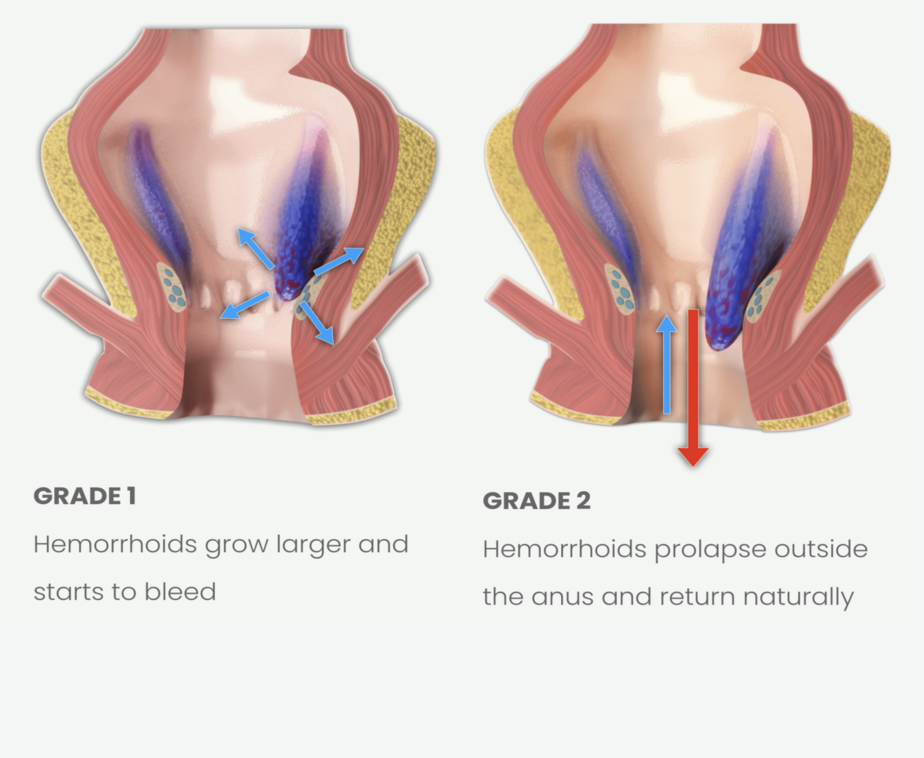
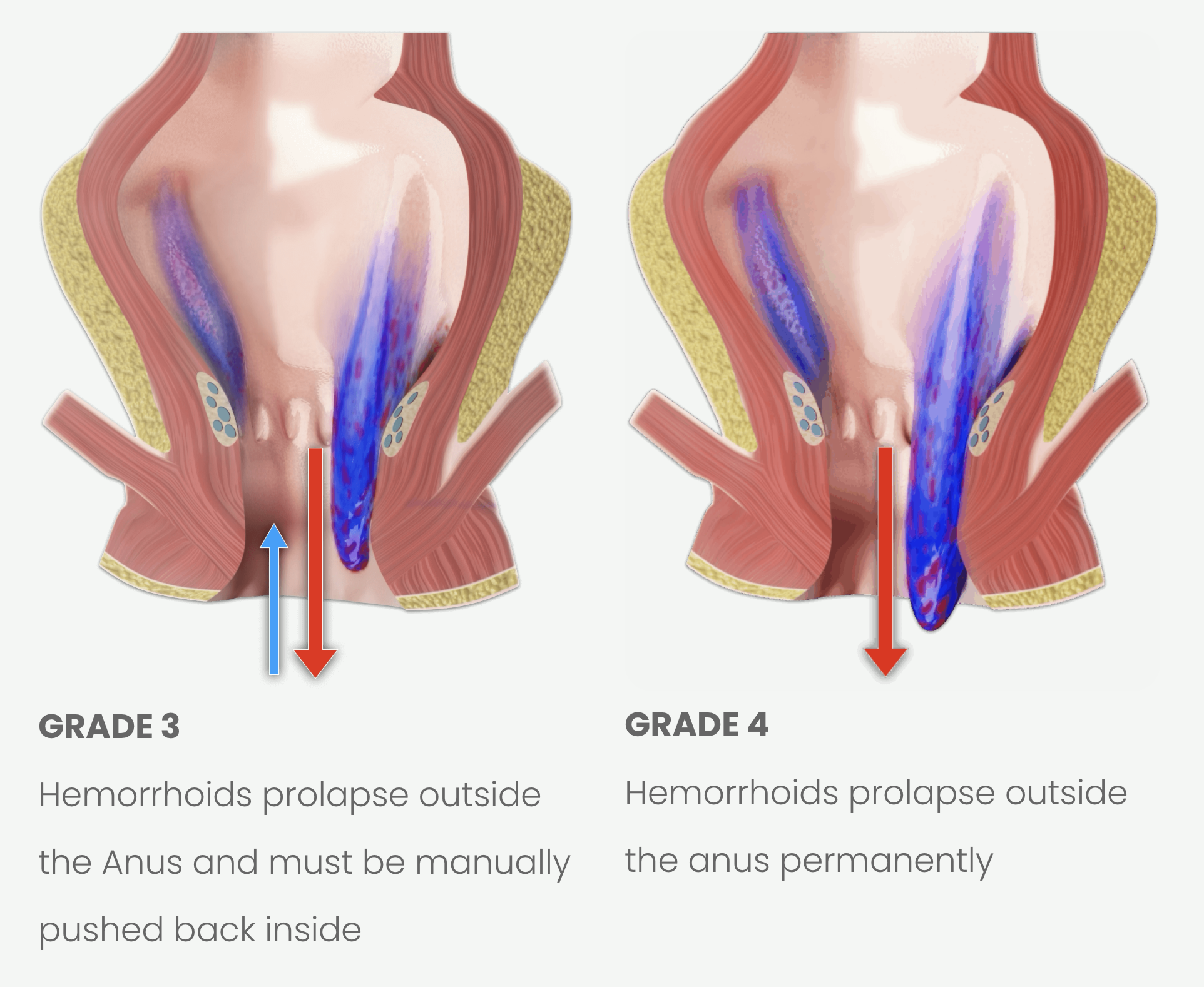
Hemorrhoids are formed when one of the three anal cushions in and around the anus and lower rectum becomes swollen and irritated. Extra pressure on your veins creates either a hemorrhoid inside your anus (Internal) or under the skin around the anus (External).
Hemorrhoids are often caused by increased pressure from prolonged sitting, physical inactivity, pregnancy, obesity, or straining during bowel movements. Symptoms can include pain, sometimes severe, itching, burning, and bleeding.
The HemWell Device
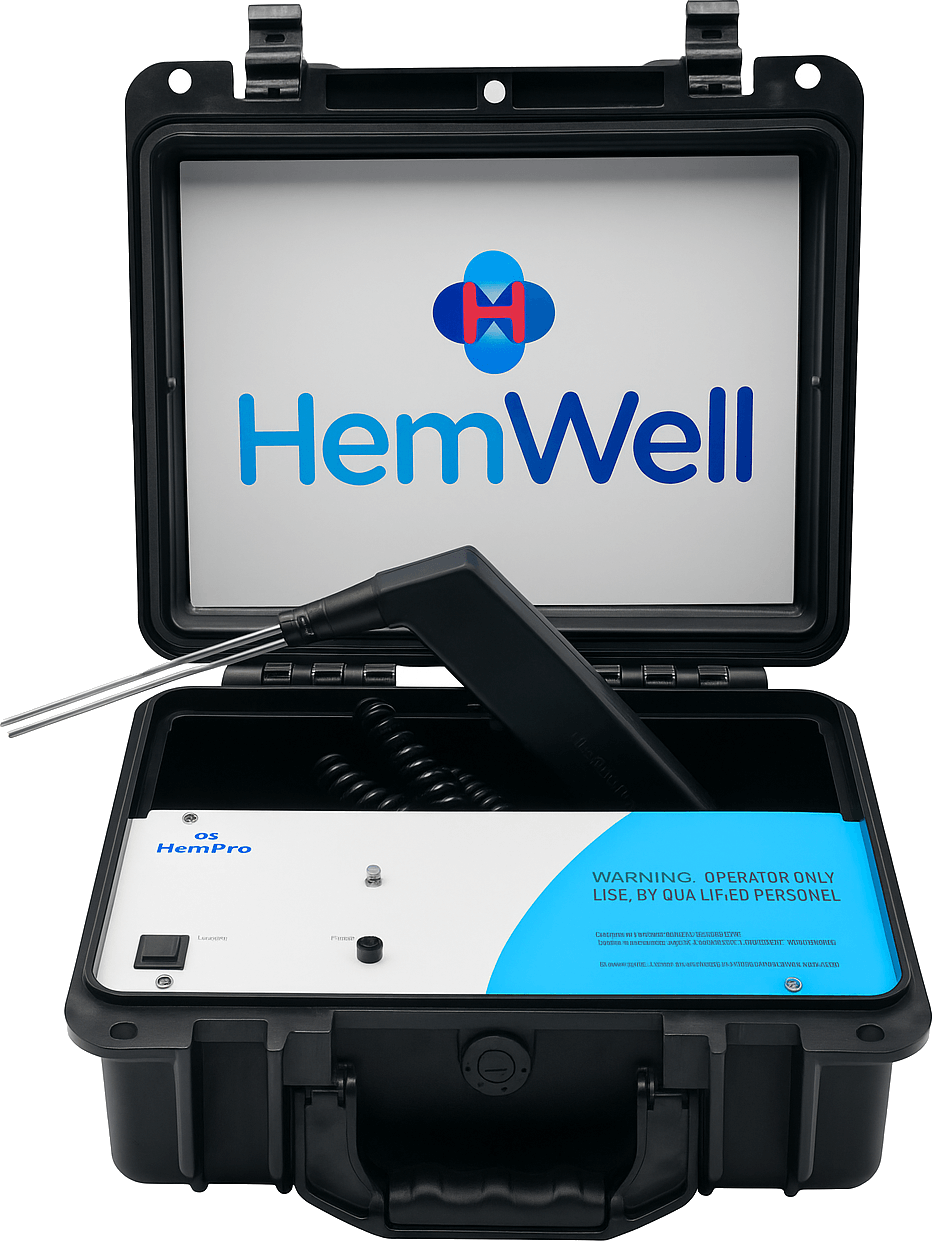
The HemWell device is a safe, battery-powered system used to treat hemorrhoids comfortably and effectively. It delivers a gentle, low-voltage electrical current through a small treatment tip, called an electro-stylus, which is applied directly to the hemorrhoid.
The energy used is very low in the same safe range as a pacemaker and it does not create heat. Instead of burning or cutting tissue, HemWell device works by triggering your body’s own natural healing response, causing the hemorrhoid to shrink.
A soft grounding pad is placed under the patient hip during the procedure to ensure safety and control. Together, these simple components allow HemWell to provide a modern, minimally invasive treatment with little to no discomfort.
Why Is Hemwellectomy The Best Option?
| Treatment | Hemwellectomy | Traditional Banding | Traditional Surgery |
|---|---|---|---|
| FDA Cleared | All Grades 1, 2, 3, & 4 | Grades 1 & 2, some 3 | Grades 3 & 4 |
| Effectiveness | Highest | Moderate | High |
| Recovery Time | 1–2 Hours | 3–7 Days | Several Weeks |
| Pain Comfort | None – Minimal | Moderate | Very High |
| Complications | Extremely Rare | Rare | Most Frequent |
| Number of Sessions | Usually 1 | 2–4 (one quadrant/session) | One Surgery |
Broad Grade Coverage: FDA-Cleared for Grades I through IV, including advanced internal hemorrhoids that might otherwise need surgery
High Efficacy & Comfort: >90% success rate, with minimal to no pain and virtually no downtime—patients often resume activity immediately
Low Complication Rates: Complications as extremely rare (<0.1%) and none serious
Accessibility: Covered by Medicare, Medicaid, and most major insurers, enhancing availability
Patient & Provider Appeal: Innovative procedure with practitioners converting from traditional methods due to patient tolerance and reliability
Hemwellectomy vs. Banding
Unlike office-based therapies that are limited to lower grades, this procedure offers a comprehensive option for managing the full spectrum of hemorrhoidal pathology encountered in primary care, gastroenterology, and surgical practices.
Hemwellectomy vs. Surgery
Although both techniques aim to reduce hemorrhoidal blood flow, they differ markedly in their mechanisms of action, postprocedural pain profiles, and overall complication rates.
Hemwellectomy or Banding: What’s the Difference?
Medical Advisory Board
Chief Medical Officer
Introduced in 2022, Hemwellectomy is an FDA‐Cleared treatment for hemorrhoids that works on all stages. From the mildest cases to the most severe. While banding can be effective for smaller, early-stage hemorrhoids, it isn’t designed to handle more advanced cases. Hemwellectomy offers a single, comprehensive solution that can treat the full spectrum of symptoms, making it a versatile option.
Understanding Rubber Band Ligation and Its Process
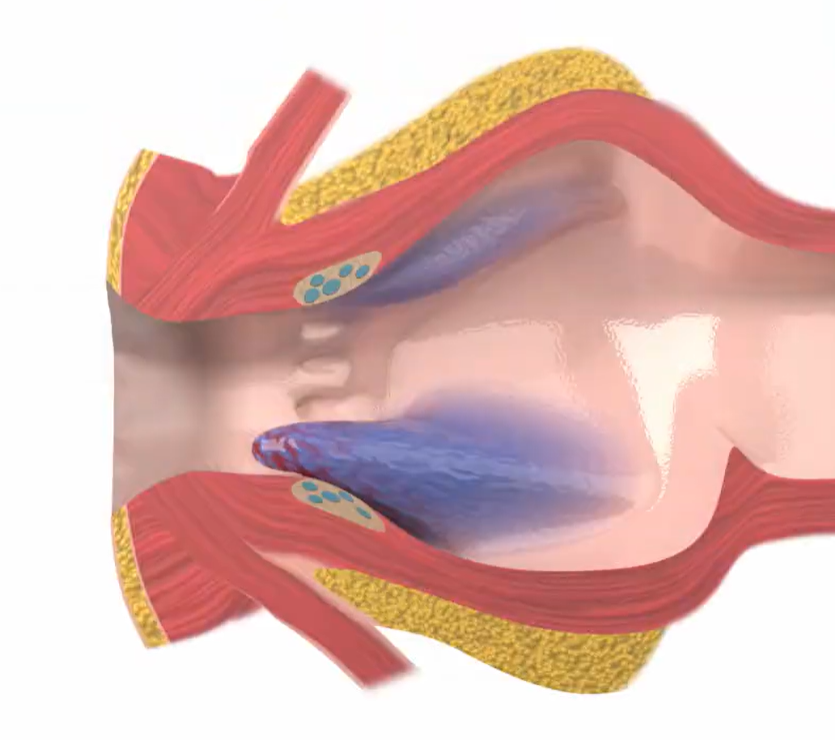
A common treatment for early-stage hemorrhoids, usually grades I and II, involves placing a small elastic band tightly around the base of the swollen tissue. This band blocks the blood flow from the arteries feeding the hemorrhoid, causing the tissue to lose its blood supply. Over several days, the hemorrhoid shrinks, dies, and eventually falls off during a bowel movement. The area then heals with scar tissue, which can help reduce the chance of recurrence.
While quick and performed in a clinic without anesthesia, this method is generally less effective for larger or more advanced hemorrhoids and may require repeat treatments to achieve lasting relief. Patients can expect some mild discomfort, a feeling of fullness, or the urge to have a bowel movement for a few days after the procedure. Most people are able to return to normal activities within a day, but it’s common to have follow-up visits to monitor healing and address any recurring symptoms.
Understanding Hemwellectomy and Its Process
This FDA‐Cleared treatment works on all stages of hemorrhoids, from mild to severe. It uses a small, rounded probe with two tips that gently touch the base of the hemorrhoid. The probe delivers a steady, very low electrical current, about the same level of energy used in pacemakers, which is safe and well tolerated. This gentle current causes the muscles in the artery walls feeding the hemorrhoid to tighten for a long period of time, shutting off its blood supply. Because veins remain open, blood can still drain away, allowing the hemorrhoid to shrink and return to its normal position beneath the rectal lining.
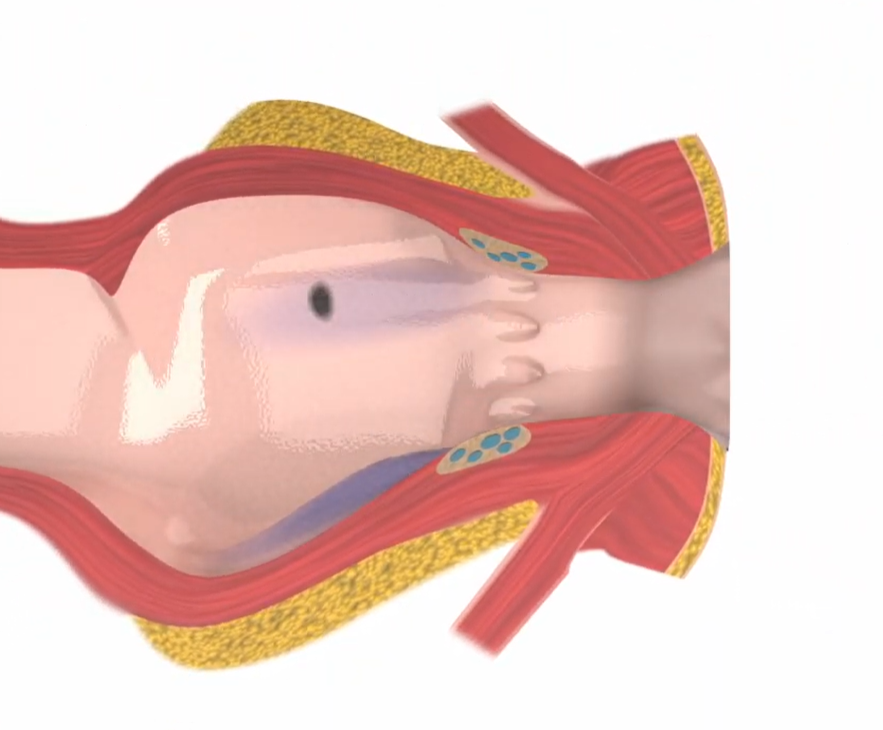
Unlike other procedures that use a tight elastic ring to cut off blood flow and rely on the hemorrhoid tissue dying and falling away, Hemwellectomy gently closes the feeding arteries with a low electrical current while leaving the surface tissue intact. This means the hemorrhoid shrinks naturally without cutting or burning, and with far less post-procedure irritation than many other treatments. Because Hemwellectomy can treat all grades of hemorrhoids, not just early-stage cases, it offers a broader solution with less discomfort and a faster recovery for many patients.
Both Hemwellectomy and banding can treat hemorrhoids, but they are designed for different needs. Banding is usually for smaller, early-stage cases, while Hemwellectomy can treat all stages with a gentle approach and quick recovery. Understanding your options is the first step toward lasting relief.
Hemwellectomy Vs. Doppler-Guided Hemorrhoid Surgery: A Comparative Overview
Medical Advisory Board
Chief Medical Officer
There’s more than one way to treat hemorrhoids, and two common options are Doppler-Guided Surgery and Hemwellectomy. Both are designed to shrink hemorrhoids and relieve symptoms, but they work in different ways. Doppler-guided surgery finds and ties off the blood vessels, while Hemwellectomy uses a gentle electrical current to close them. Knowing the basics of each can help you choose the treatment that’s right for you.
Surgical Technique and How It Works
Doppler-Guided Hemorrhoid Treatment with Mucopexy
This treatment uses a small handheld device called a Doppler probe, which can detect the sound of blood flowing through blood vessels. The surgeon gently inserts the probe into the rectum and uses it to find the arteries that supply blood to the hemorrhoids. Once these arteries are located, they are tied off (ligated) to reduce or stop the blood flow feeding the swollen tissue. With less blood supply, the hemorrhoids begin to shrink over time.
This treatment uses a small handheld device called a Doppler probe, which can detect the sound of blood flowing through blood vessels. The surgeon gently inserts the probe into the rectum and uses it to find the arteries that supply blood to the hemorrhoids. Once these arteries are located, they are tied off (ligated) to reduce or stop the blood flow feeding the swollen tissue. With less blood supply, the hemorrhoids begin to shrink over time.
In the next step, any tissue that has slipped downward (a condition called prolapse) is carefully lifted and stitched back into its normal position inside the rectum. This step, called mucopexy, restores the natural anatomy and helps relieve symptoms like bulging or discomfort.
The Doppler-guided technique was designed to cause less pain than the traditional surgical removal of hemorrhoids. However, studies have shown that some patients may still experience discomfort during recovery, and the amount of relief can vary from person to person.
Hemwellectomy and How It Works
This advanced, non-thermal procedure is designed to shrink hemorrhoids and relieve symptoms with minimal discomfort. It uses a small, rounded probe with two tips that gently touch the base of the hemorrhoid. The probe delivers a steady, very low electrical current, about the same level of energy used in pacemakers.
The gentle current causes the muscles in the walls of the arteries supplying the hemorrhoid to tighten for an extended period of time. This tightening, called vasospasm, shuts down the blood flow feeding the hemorrhoid, which helps it shrink. Over time, this process reduces swelling, relieves pressure, and restores normal tissue function.
Unlike some other treatments that use heat or cutting, this approach does not burn or damage the surface tissue (mucosa). This greatly reduces the chances of pain, swelling, or other complications after the procedure.
Because veins do not have the same type of muscle as arteries, they remain open during the process. This allows blood to keep flowing out of the hemorrhoid, helping it shrink further and return to its normal position beneath the lining of the rectum. Most patients can return to regular activities quickly, often within a day or two.
At HemWellMD, we offer safe, effective, and comfortable solutions for hemorrhoid relief. Our advanced Hemwellectomy procedure is designed to help you feel better with as little disruption to your life as possible.
Insurance Codes
Every medical treatment has a special billing code, called a CPT code, that doctors use when working with insurance companies. For the Hemwellectomy, the code most often used is CPT 46945.
This code means the treatment closes off the blood vessels feeding the hemorrhoid so it shrinks and goes away. Even though the HemWell device uses gentle electrical energy instead of stitches or bands, the result is the same the blood flow is stopped and the hemorrhoid is treated.
Because the Hemwellectomy uses an existing, recognized CPT code, insurance companies can easily identify the procedure.
This makes it much more likely to be covered by insurance, but since coverage can vary, you’ll need to check with your doctor’s office or insurance provider to confirm your benefits.
CPT Code Description
46945 (or 46946)- Hemorrhoidectomy, internal by non-thermal ligation other than rubber band; single (or double) hemorrhoid columns/groups.
A Patient's Story
“By the same day, the swelling and pain where gone. I felt like myself again.”
– Patient A, Age 20
Patient X’s Journey: From Decades of Pain to a Life Transformed
For nearly 30 years, Patient X lived under the shadow of a painful, persistent condition. Hemorrhoids had followed since the early 20s, bringing constant inflammation, bleeding, and discomfort. Daily life was often interrupted by pain, irritation, and bleeding, a cycle that no over-the-counter cream, ointment, or remedy seemed able to break.
The years went by, and hope faded with every failed attempt at relief. When surgery was finally scheduled, the thought of a long and difficult recovery became too much to bear. Patient X made the painful decision to cancel, resigning to a life of silent suffering.
By age 50, the condition had only worsened. During a routine health check, Patient X’s doctor introduced a different option, the Hemwellectomy. For someone who had spent decades believing there was no real solution, this felt like a lifeline. Just two weeks before the appointment, one of the worst flare-ups struck, leaving Patient X exhausted, desperate, and ready for change.
The day of the procedure arrived with a mix of fear and hope. The entire process took just 30 minutes, performed alongside a colonoscopy. Expecting pain afterward, Patient X braced for the worst only to wake up with none. No bleeding, no soreness, no discomfort at all. The physician explained that the grade 3 hemorrhoids had already shown significant shrinkage during the procedure, with further improvement expected in the following 24–48 hours.
The recovery was astonishing. Patient X was back to normal activity the very same day, a reality, almost unimaginable after decades of suffering. Within three weeks, a follow-up exam confirmed the results: the hemorrhoids were gone. The shadow that had loomed over life for nearly 30 years had finally lifted.
Today, Patient X is not just living, but thriving. With renewed energy and freedom from pain, exercise has become a daily routine five days a week and life is embraced with a vigor thought lost long ago. Most importantly, there has been no recurrence of symptoms.
Patient X’s story is more than a personal victory. It is proof of the life-changing power of Hemwellectomy, and a message of hope for anyone still silently suffering. Relief is possible, and life after hemorrhoids is within reach.
Your Relief Starts Here
Find A Hemwellectomy Clinic Near You.